



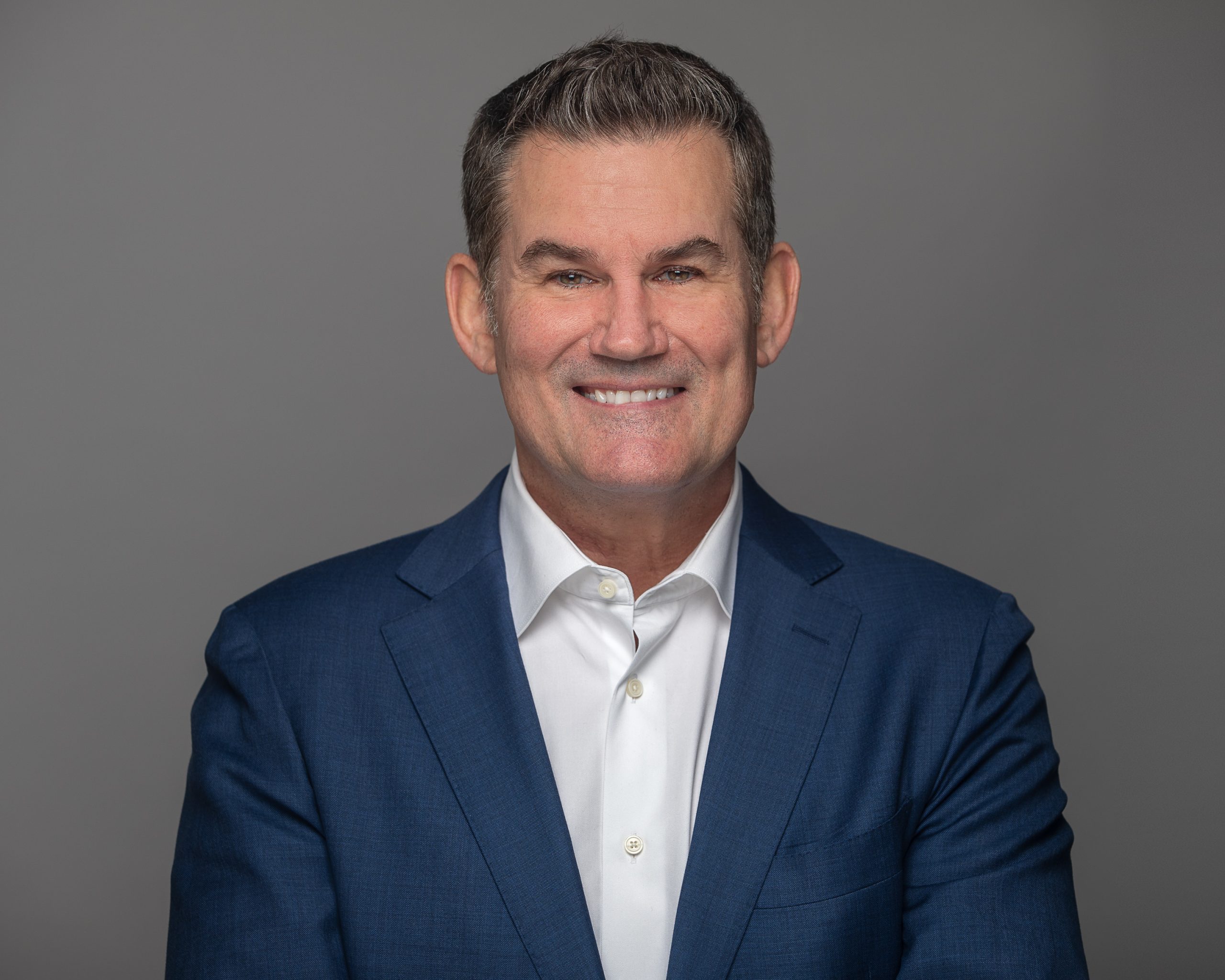
By Jeff Bosshard, CPM®, President of Multifamily Operations, Woodmont Real Estate Services
It would be convenient for me to start this article by stating the famous management quote, ‘culture eats strategy for breakfast,’ and attribute the quote to legendary management theorist Peter Drucker – which is often the case.
Yet speechwriter and coach Dean Foust writes in Medium, an online publishing platform, Drucker never said that. Digging into research at The Drucker Institute at Claremont Graduate University, Foust reveals that it is unclear who coined the popular aphorism, but evidence suggests it was either Steve Jobs or long-time GE CEO Jack Welsh.
Regardless, it would be incredibly flattering if my company, Woodmont Real Estate Services, would ever be compared with Apple or GE – both of which are certainly in some sort of Top 100 list for the best-led and managed companies, ever.
The truth of the matter is, however, that to be a great company, you need a deeply engrained, highly positive and actively managed culture, as well as a very solid strategy. At Woodmont, we like to think of culture as the foundation for everything we do, while strategy is our roadmap, and the elements in it – and how well we execute on them, will determine the degrees of success we can achieve.
Looking at our foundation, or culture, we are very aware of our core business: We are in the customer service business. Our success as a property management company hinges on the quality of our customer service. And we serve different audiences. We serve our customers – the residents in our multifamily properties, and the tenants in our commercial buildings. Without quality service to our clients – the owners of these properties, we do not have a business. Yet there exists an internal element to our customer service – our people. We work in teams, as a team. Therefore, we treat each other as a form of internal customer in which communication and respect go hand-in-hand with our collaboration to serve clients and external customers.
Further, we highly value our vendor partners and treat them with the same level of exceptional customer service. Frankly, we cannot succeed without our vendors and contractors also delivering excellent customer service. In our line of work as property managers, we work with flooring companies, painting contractors, landscape maintenance firms, and other services associated with maintaining living spaces and places where people go to work.
Additional core elements of our culture feature two critically important aspects to delivering excellent customer experience, and they are: ongoing Learning and Education, as well as Staffing and Recruiting.
During our past two Leadership Summits, which involve everyone in a leadership and management position, or nearly one-third of all our employees, we focused on heightened communication and the other on enhancing hiring and interviewing skills.
To thrive in the customer service business, we must recognize that people are our product.
People want and need ongoing training. We are very intentional about our hiring process and identify the most highly qualified candidates to staff our customer-facing positions as well as our back-office staffing requirements.
Regarding strategy, as a company (now approaching its 60th year) we focus solely on Northern California. Being based on the San Francisco Peninsula, which means working as far south as Monterey, north to Santa Rosa, Silicon Valley, the East Bay, I-80 Corridor and greater Sacramento area.
Again, we deliver our best work as a team, and do not want management personnel from all our departments – HR, accounting, marketing, facilities, sales and leasing, to work in silos and be physically detached from each other.
As a 100% third-party provider, we do not own any of the properties we manage. While not in the development business as developers, we collaborate with development partners and clients in planning new multifamily communities. This is significant, and distances us from conflicts of interest.
We are a dual service provider, meaning we manage both multifamily and commercial properties. About 20-25 years ago Bay Area leaders and planners began advocating for transit-oriented development, or TODs, and this was when mixed-use properties started to become more common. Because we already offered a multifamily and commercial property management business, it was natural for us to support these types of builders and projects. Now, we are leaders in the sector.
We also believe that it is strategically important to the sustainability of our business model to partner with property investors and asset management companies that want and need a third-party management company. We have found that these long-term investors are willing to invest capital and related resources on an ongoing basis to maintain and add value to their high-quality investments. These are investments that increase in value over time as well as producing positive cash flow and returns on investment.
We are committed to give back to the communities we serve. Without reinvesting in the communities and people that live in and near the properties we manage – again, across Northern California, we are just another regional business, looking out for only their best interest.
As such, over the years we have contributed time and money to dozens of non-profit organizations and entities that serve many of our less fortunate neighbors. The list is focused, and includes both large and small organizations. These include industry locally focused groups like the industry lead Housing Industry Foundation, Samaritan House, Second Harvest Food Bank, Soles4Souls (a nonprofit that collects and distributes used and new shoes for children with limited resources). More institutional organizations we have supported over the years that include: Toys for Tots, Ronald McDonald House, The American Red Cross, Make a Wish Foundation, Boys Club and Girls Club of America and The Wounded Warrior Project.
Living and working in a region dominated by technology industries, where innovation, devices and tools are their primary product offerings, those enterprises have their own cultures and strategic objectives.
Regardless of industry, however, long-term, thriving and ultimately successful businesses must define their versions of culture and strategy. Taken together, that becomes each business’s respective identity.
And I dare add the essence of their brands. I can say that this is certainly the case for Woodmont Real Estate Services, a company in which I have built a career for over 31 years now and am grateful to have even become a principal of the firm.


